

Bermeo ISRA: A Scientific Achievement Built Between the Sea, Science, and People
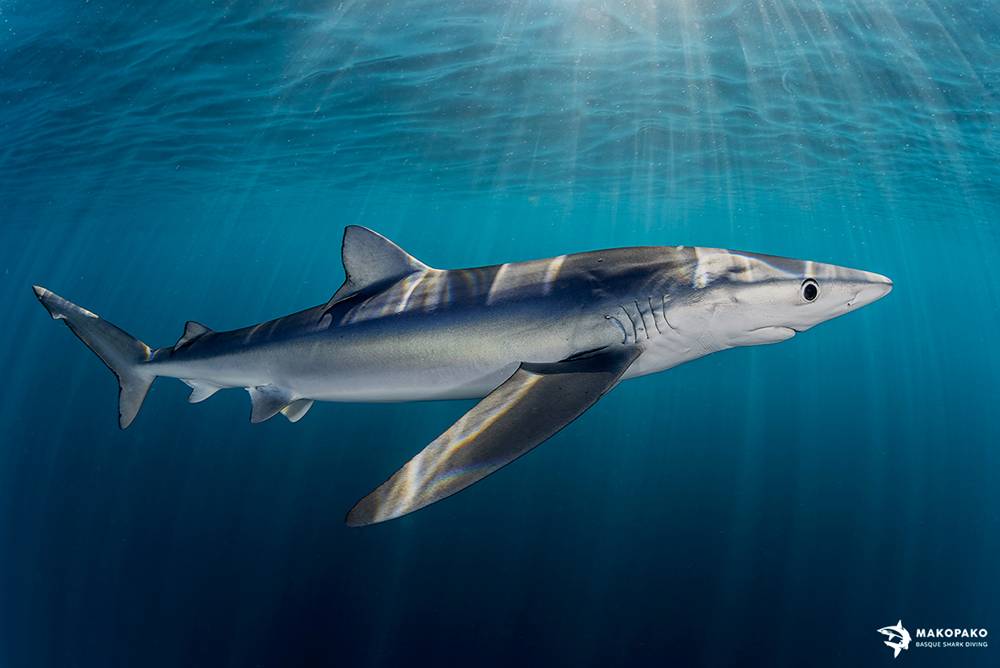
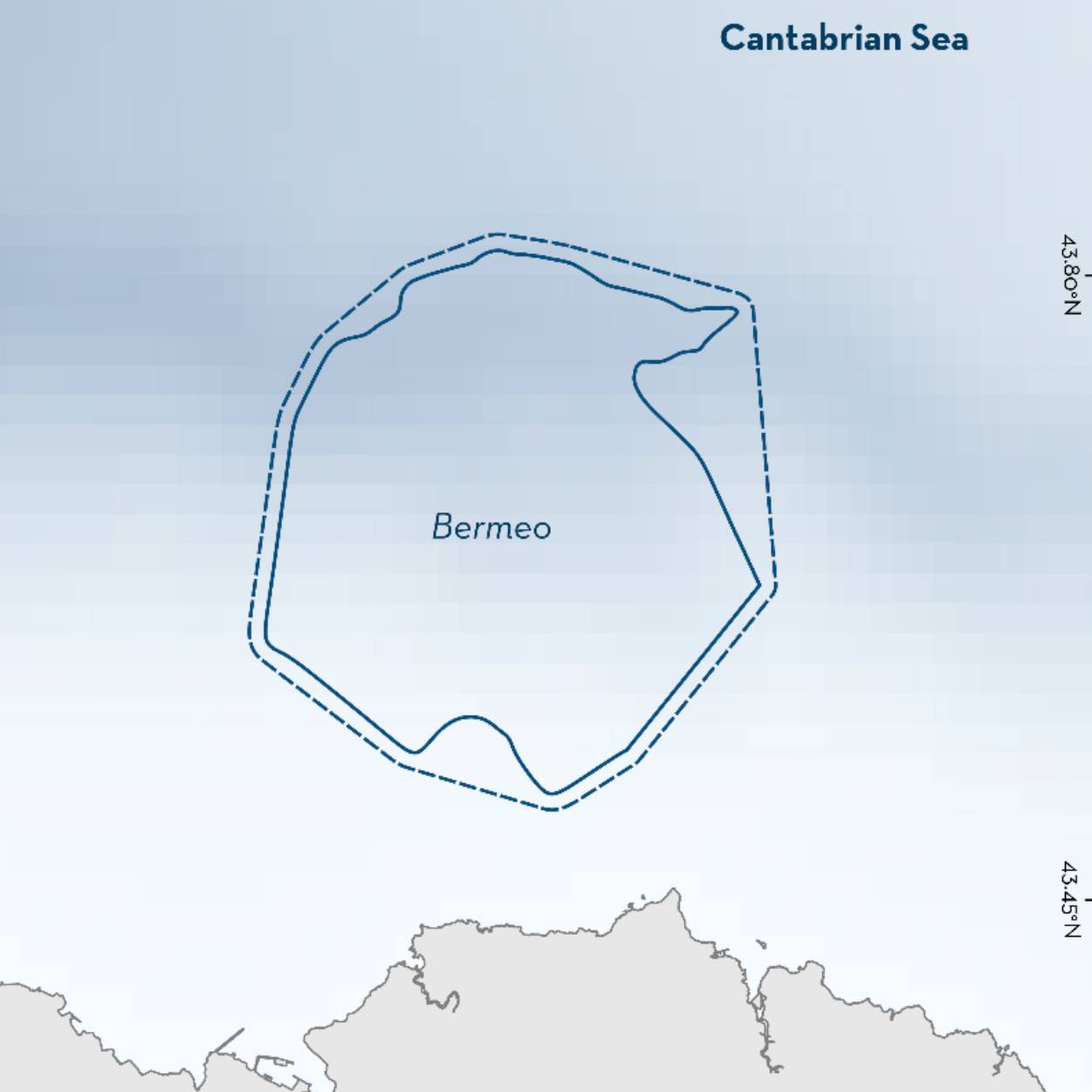
The coast of Bermeo has been identified as an Important Shark and Ray Area (ISRA) by the IUCN Shark Specialist Group.
This recognition places the Cantabrian blue shark on the international map as a species with critical areas for reproduction and pelagic habitat use.
What makes this ISRA particularly significant is that part of the evidence used comes directly from observations made during MAKO PAKO’s shark snorkeling expeditions. It is a scientific milestone, but also a shared one: researchers, responsible operators, and hundreds of people who have taken part in these expeditions have all contributed to it.
What Is an ISRA and Why Is It Important?
ISRAs are not administrative figures or protected areas.
They are zones identified through strict scientific criteria as essential for sharks and rays, particularly due to key functions such as:
- Reproduction
- Feeding
- Recurrent presence
- Critical habitat use
In the case of Bermeo, the area meets Criterion C1 — Blue shark reproductive area (Prionace glauca). Officially identifying such an area provides a solid scientific basis for future management measures and helps protect habitats that were previously invisible to both science and policy.
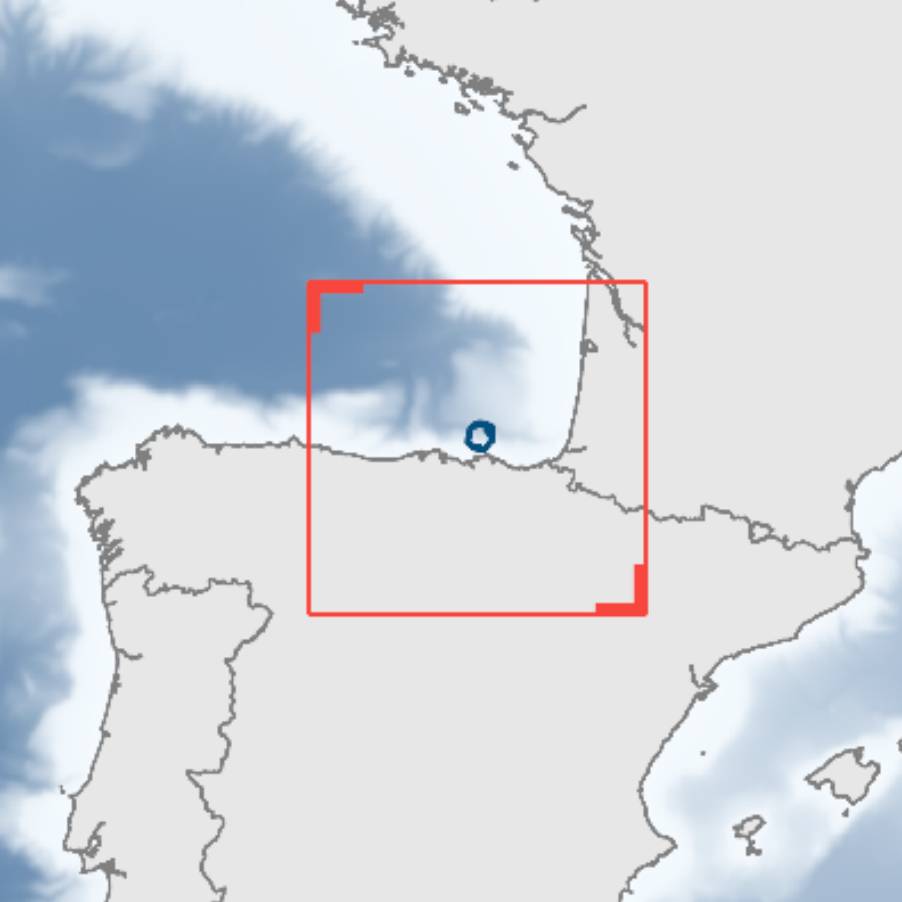
Why Bermeo Meets Criterion C1
Fisheries and oceanographic data had long suggested that the Bermeo coast was a relevant area. However, demonstrating actual reproductive use required continuous, direct surface observations: neonates, juveniles, females with mating scars, and even courtship behavior.
This cannot be achieved by a scientific vessel operating once a year. It requires constant presence, season after season.
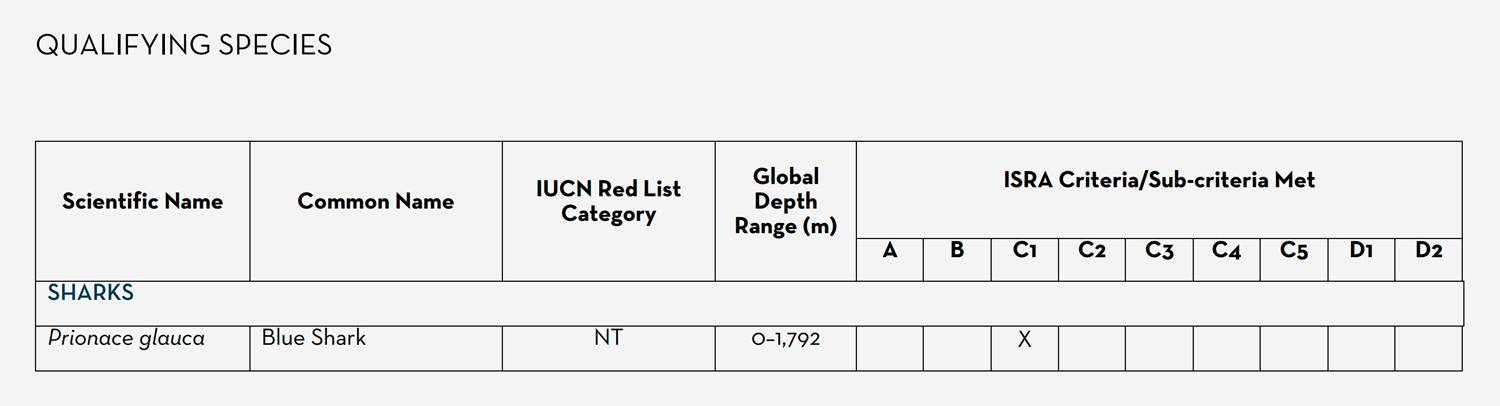
Data Contributed by MAKO PAKO (2020–2024)
Between 2020 and 2024, our blue shark snorkeling expeditions—from June to October each season—generated a unique, consistent dataset of high scientific value.
This is what you helped make possible:
Biological and Behavioral Data
- Five years of systematic blue shark observations
- Documentation of juveniles and subadults early in the season
- Seventeen females with mating scars
- One mating attempt recorded in 2023
- Active feeding behavior on anchovy schools
Presence and Aggregation Data
- Groups of 3 to 15 individuals observed regularly
- Repeated seasonal trends across multiple years
- Interannual variations that help explain migratory patterns
Visual Data
- Photographs and videos used to verify size, scars, and behavior
- Reference material included in reports, projects, and scientific conferences
- Without this continuity, many of these data would simply not exist.
Real Citizen Science: The Role of the People Who Joined the Expeditions
What makes this project unique is that it is not science disconnected from the public—it is citizen science in its most effective form. Every participant, every photograph, every observation shared from the water adds value.
You helped to:
- Record the number of individuals per outing
- Estimate sizes and life stages
- Document scars, markings, and unique individuals
- Compare seasons
- Verify behaviors
This collective work has been integrated into:
- Observadores del Mar projects
- Scientific reports
- Oceanographic analyses
- ISRA assessment criteria
Without your participation, this database would not exist.
And without that database, the Bermeo ISRA would have been far more difficult to demonstrate.
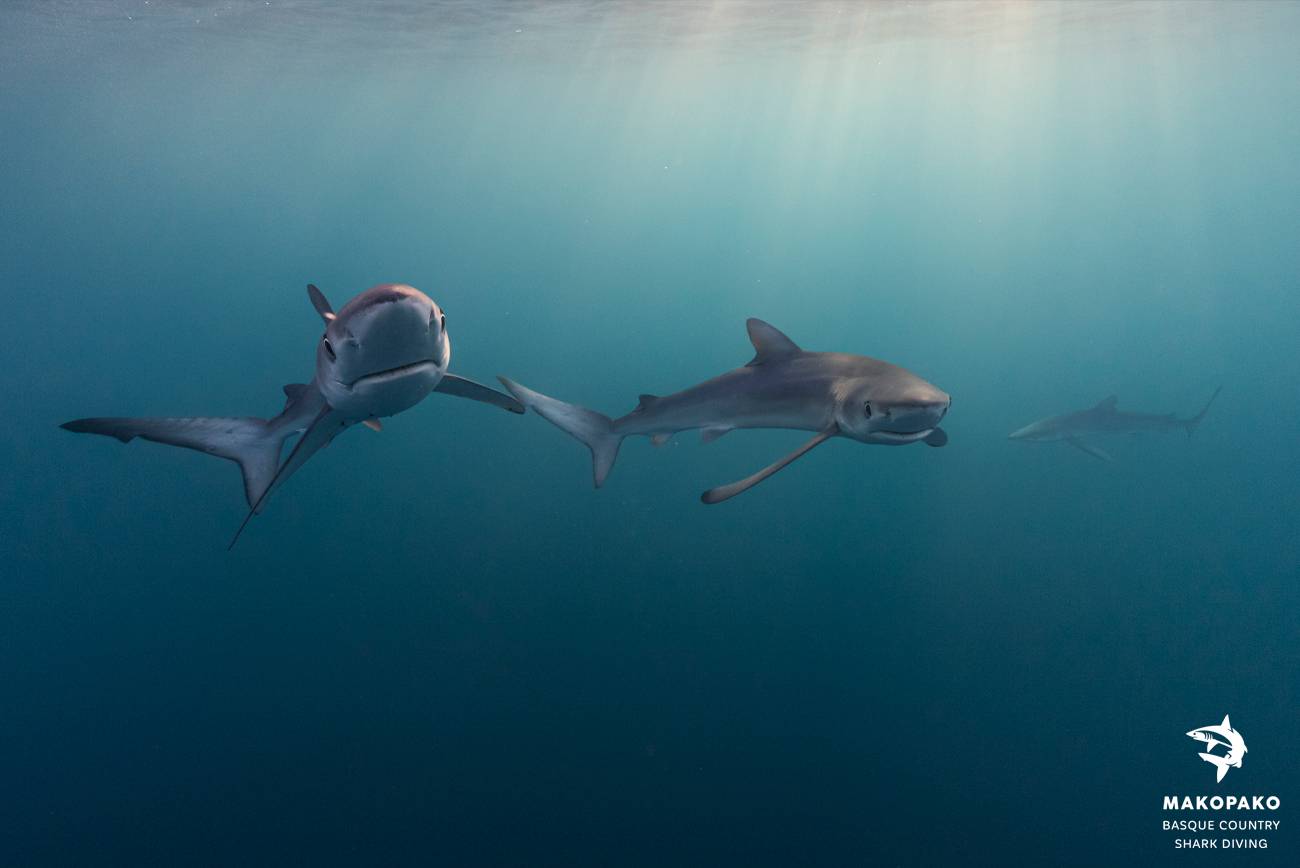
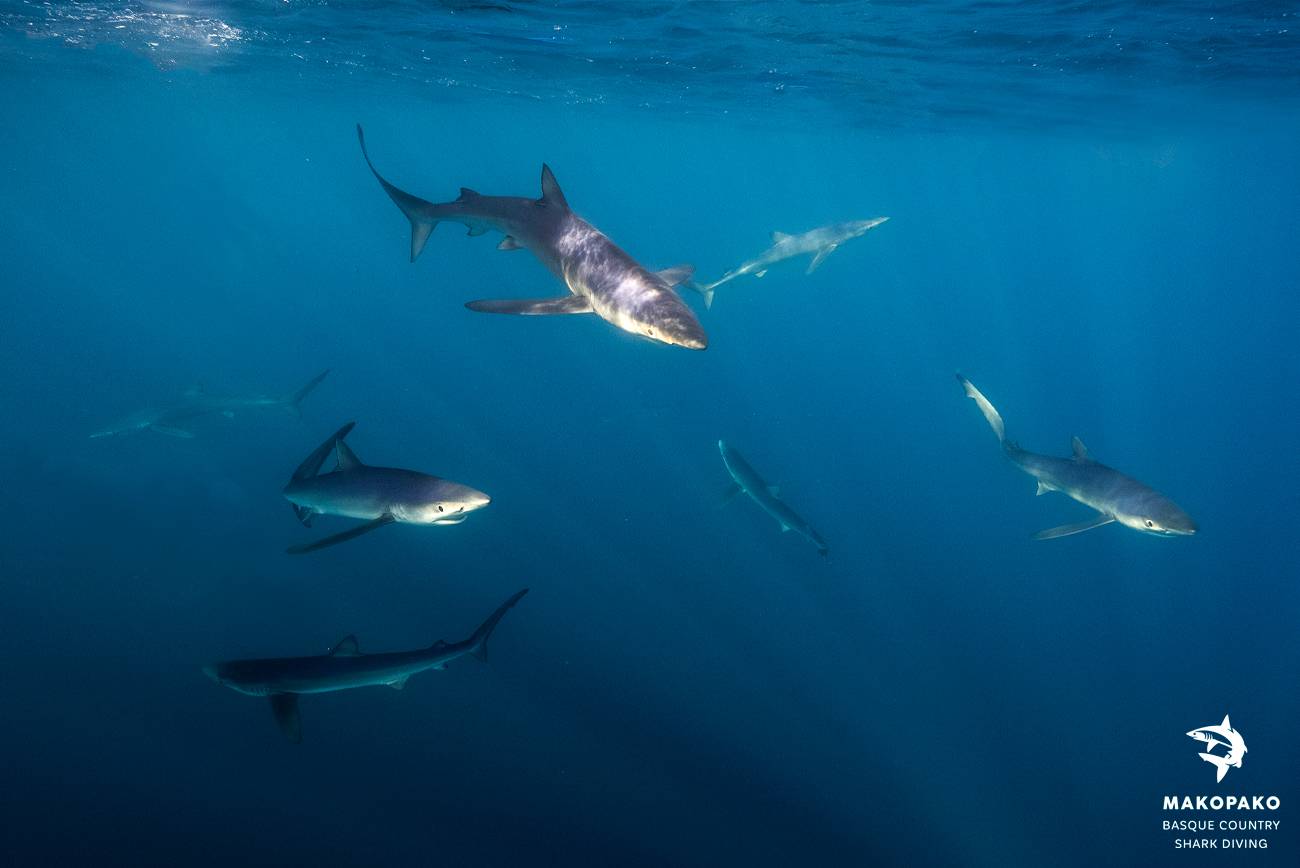
Responsible Tourism as a Scientific Tool
Shark tourism often sparks debate. In this case, the opposite is true. Shark snorkeling in the Cantabrian Sea—carried out under ethical protocols and with a scientific approach—has generated information that no research vessel could have collected with such frequency and continuity. It is a clear example that, when done properly, responsible tourism can generate real science and contribute directly to conservation.
What Changes Now With the Bermeo ISRA
The ISRA designation does not imply immediate protection, but it does mark a turning point:
- The scientific community recognizes Bermeo as a critical area for pelagic sharks
- Authorities now have solid arguments to establish conservation measures
- The data collected will continue to be valuable for future studies
- The Cantabrian Sea enters the international radar as a key region for blue sharks
Conclusion: A Shared Achievement
The Bermeo ISRA is not just a scientific success. It is proof that when work is carried out with rigor, consistency, and ethics, a simple day at sea can become a genuine contribution to conservation. This recognition exists thanks to researchers, everyone who has taken part in our expeditions, and MAKO PAKO. Your support, trust, curiosity, questions, photographs, and involvement have made it possible for the Basque pelagic ecosystem to receive international recognition.
If you would like to learn more about our work or contribute to future observations, you can join our expeditions or take part in citizen science projects in the Cantabrian Sea.