

Basque Coast Area of Interest: What It Means for the Porbeagle Shark and Why It Is a Key Step for the Cantabrian Sea
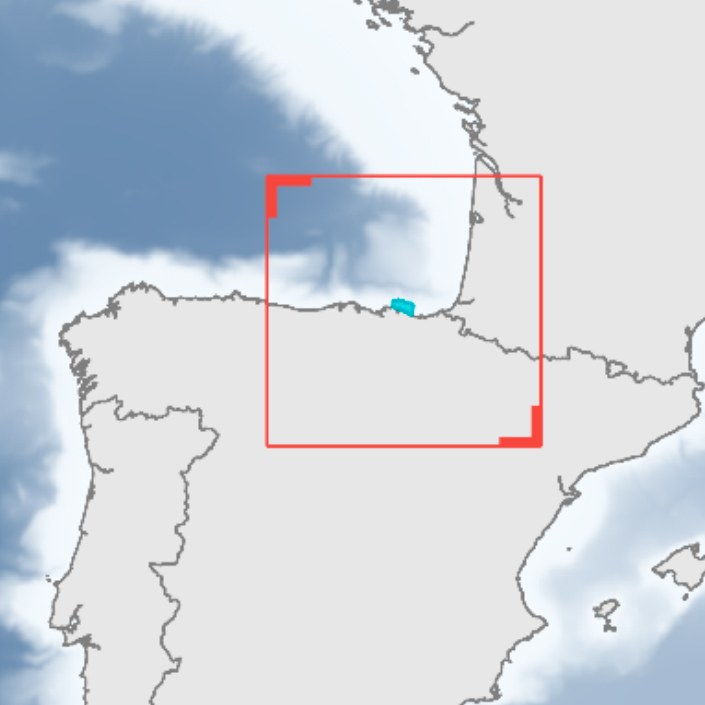
In 2025, the IUCN Shark Specialist Group identified the Basque Coast as an Area of Interest (AoI) within the international ISRA (Important Shark and Ray Areas) process.
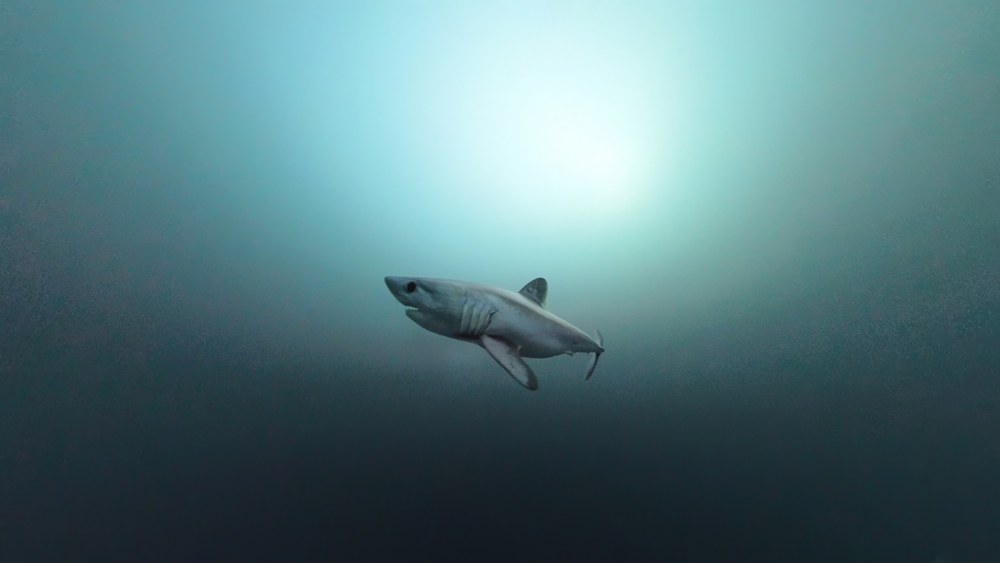
This recognition does not designate the area as a protected site, but it does highlight it as a region with high ecological potential for sharks and rays—particularly for the porbeagle shark (Lamna nasus), which is currently classified as Vulnerable at a global level.
For those of us working in the Cantabrian Sea, this step is not simply relevant; it is a key piece in better understanding and protecting the pelagic species that inhabit our coastline.
What Is an Area of Interest (AoI)?
AoIs are part of the scientific assessment process that precedes ISRA designation.
They are areas where:
- There is existing scientific evidence, although still incomplete
- One or more criteria relevant to sharks and rays may be met (reproduction, feeding, regular use, etc.)
- Further research and data collection are required
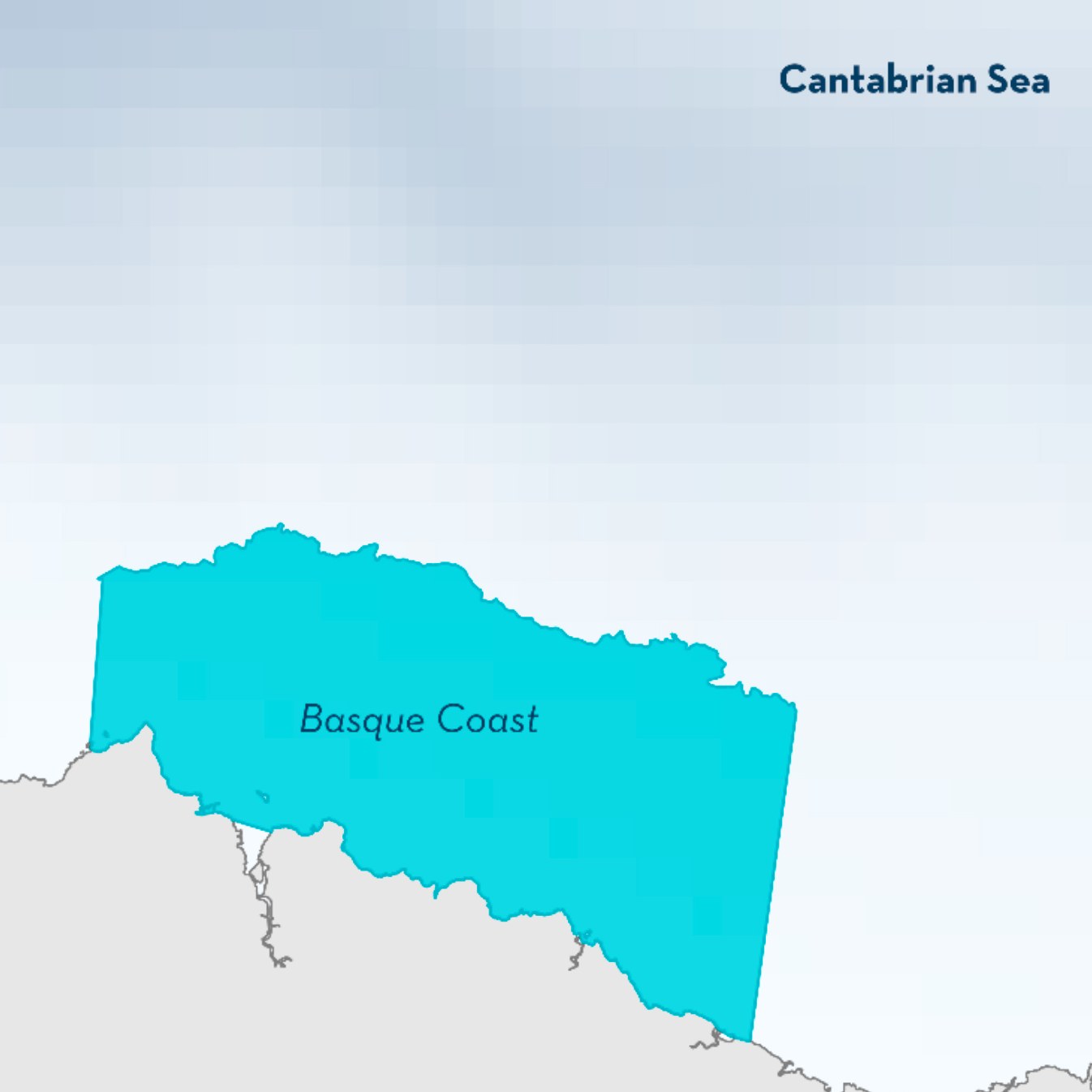
Why the Basque Coast Has Been Identified as an AoI
The IUCN assessment focuses on the porbeagle shark (Lamna nasus), one of the most emblematic yet least understood species in the European Atlantic. Between 2020 and 2024, 11 juvenile and neonatal individuals were recorded in the area, indicating that they were newly born sharks.
These data suggest something of major significance: the Basque Coast could be a potential nursery or reproductive area for the porbeagle shark. If confirmed, this would place the region among the very few locations worldwide identified as fulfilling this role for the species—granting it critical importance.
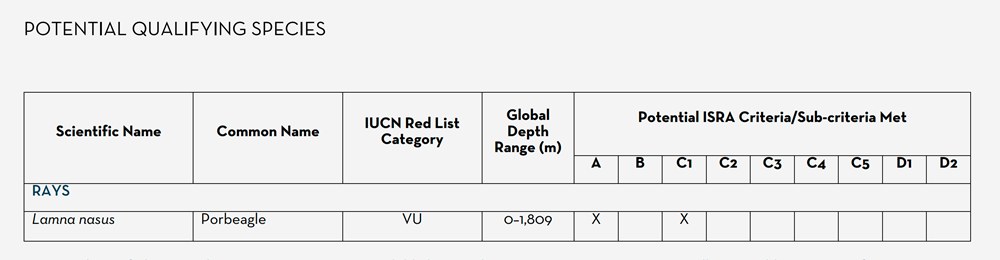
What This Means for the Future of the Porbeagle Shark in the Cantabrian Sea
The porbeagle shark is notoriously difficult to study. It is a pelagic species, ranges across oceanic waters, is observed only sporadically, and neonates are extremely rare to document. The presence of neonatal records along the Basque Coast is therefore exceptional and may redefine our understanding of how this species uses the Cantabrian Sea.
However, confirming this hypothesis will require more data and continued observation.
Mako Pako’s Contribution: Observe, Document, and Share
For us, this recognition further confirms what we observe on a daily basis: the Cantabrian Sea is a unique ecosystem. Our role remains unchanged:
- Observe responsibly
- Document with scientific rigor
- Contribute useful data to the scientific community
- Share the ocean ethically with those who join us at sea
The declaration of an Area of Interest is a major step forward—not because it creates a new protection status, but because it places the Basque Coast on the global map of shark conservation.
BOTON: Download the official document