


First Record of a Blue Shark Mating Attempt in the Cantabrian Sea
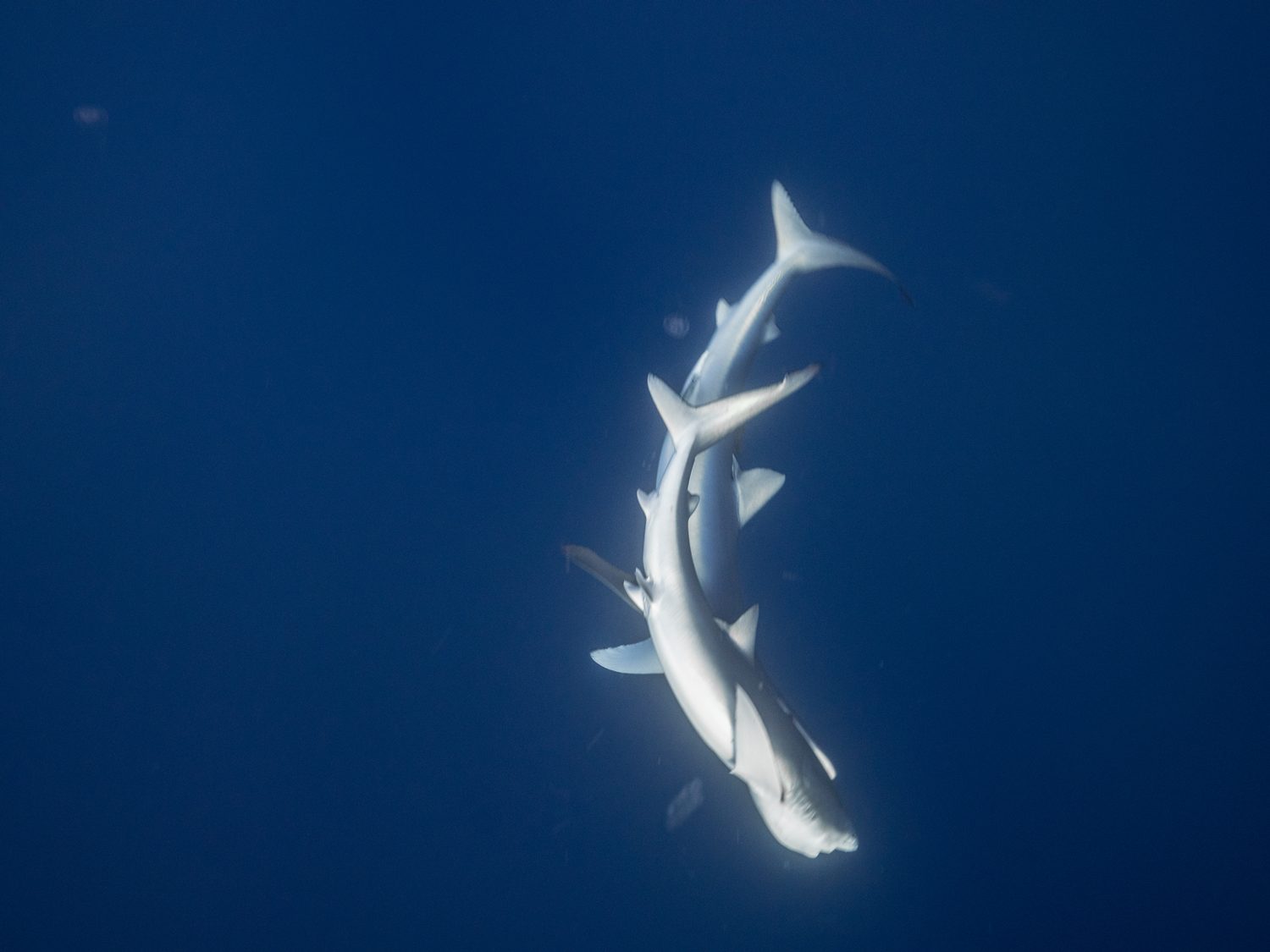
In July 2023, an unprecedented event occurred in the northeastern Atlantic: the first documented attempt at mating between two blue sharks (Prionace glauca) in open waters off Bermeo.
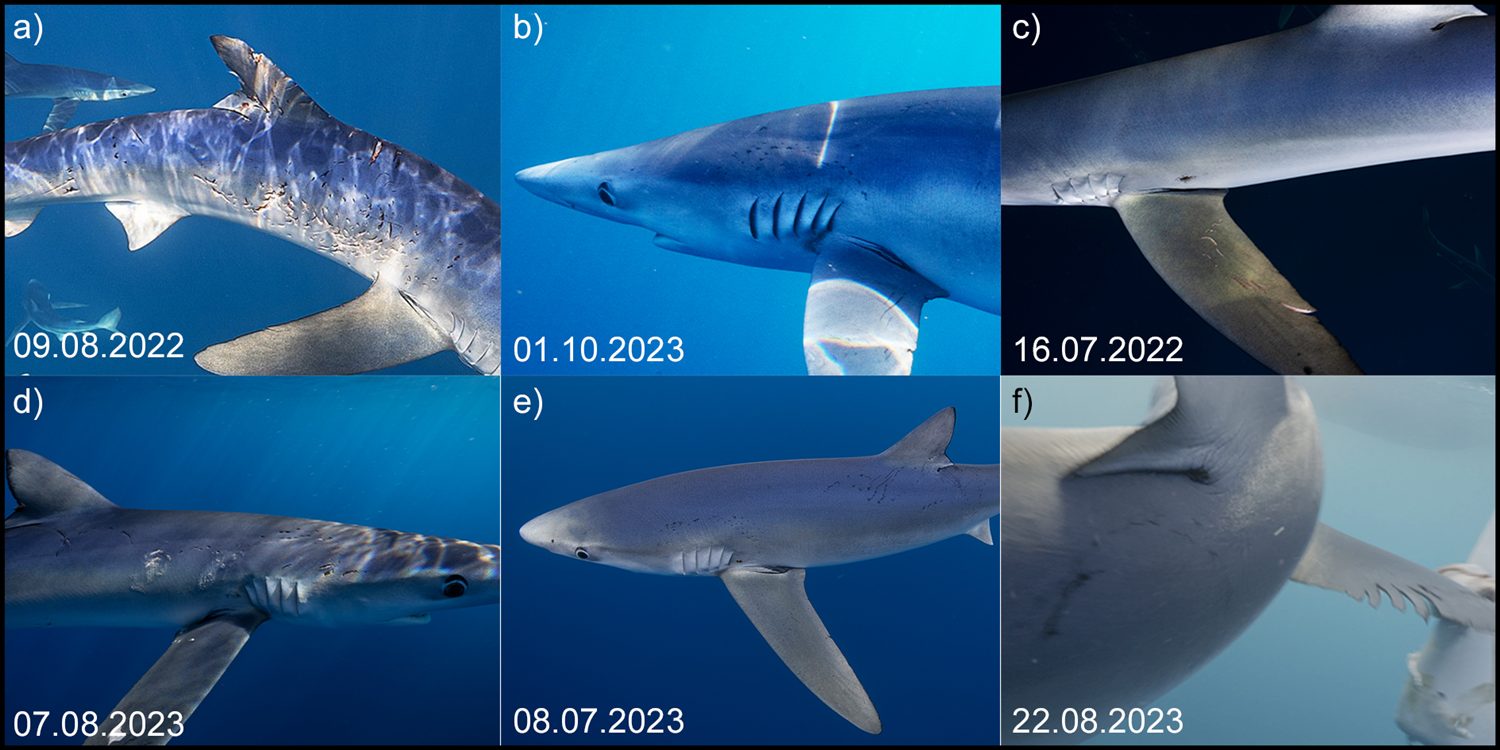
The sequence was recorded during a MAKO PAKO expedition and later analyzed in a scientific study published in Web Ecology (2025). This event, together with data collected since 2021, reinforces the hypothesis that the Basque coast may function as a reproductive activity area for this pelagic species.
The Observation: A Behavior Never Before Documented in This Region
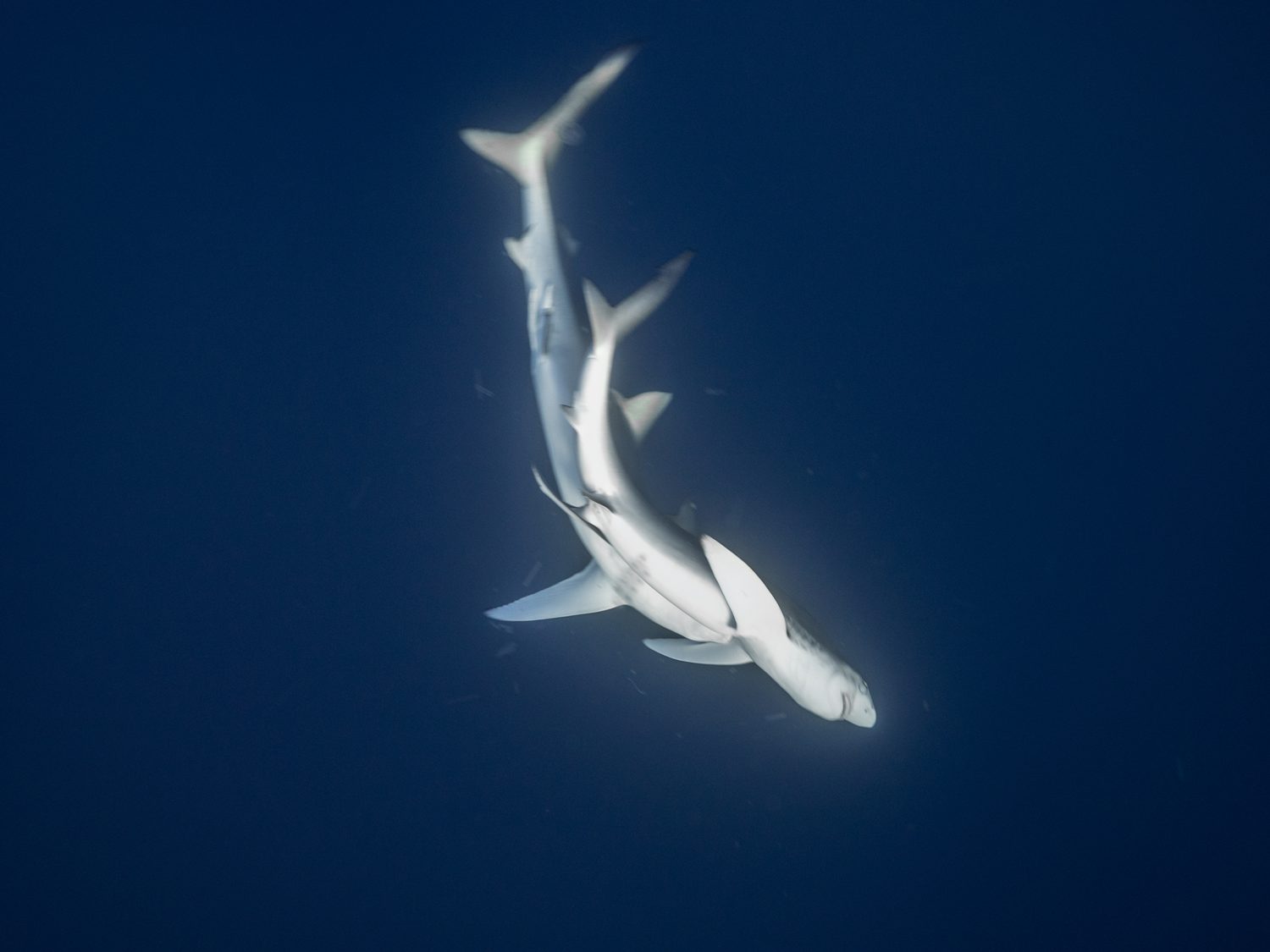
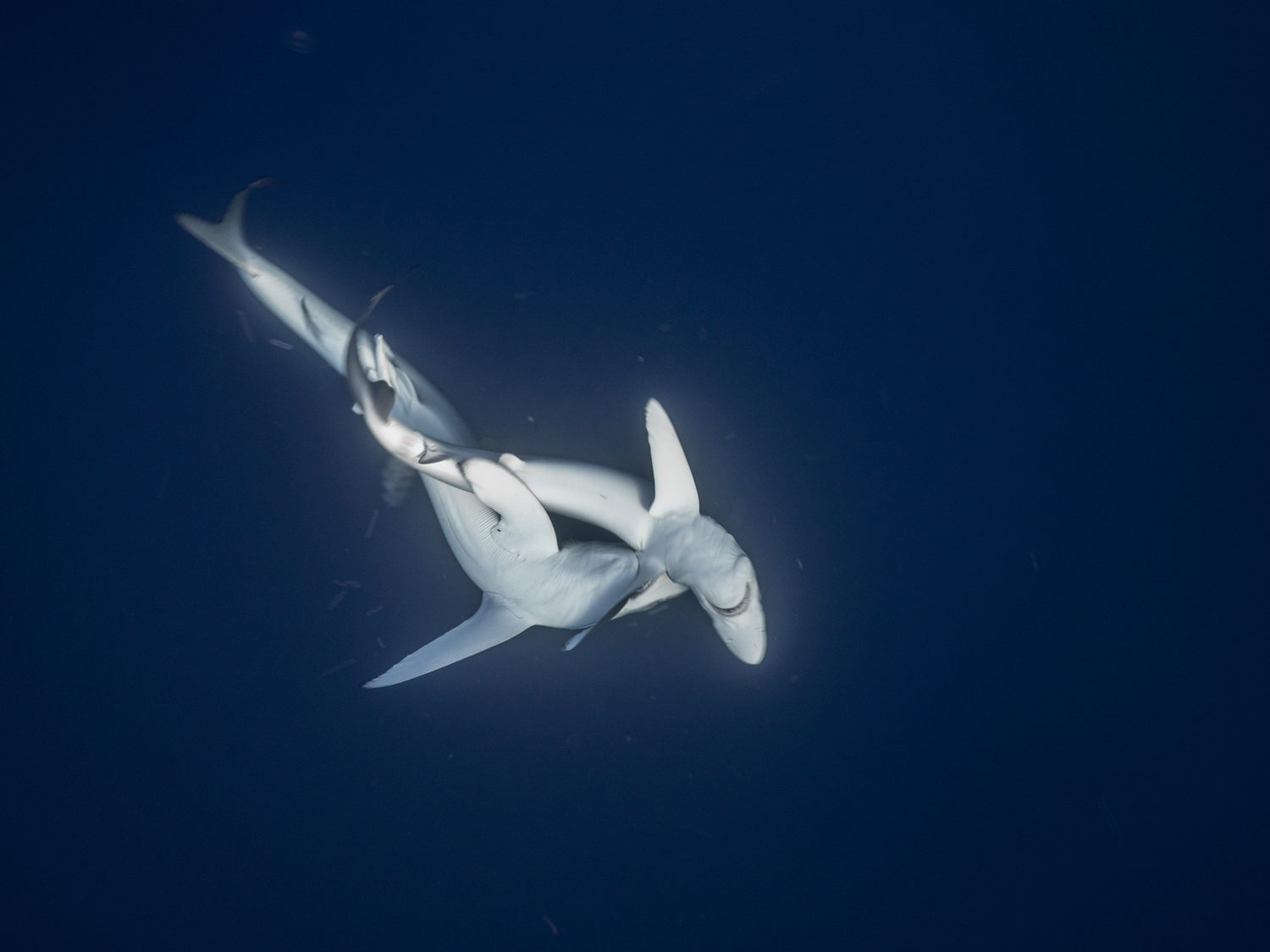
On July 31, 2023, along the slope of the submarine canyon off Bermeo, a complete sequence of precopulatory behavior was recorded:
Parallel swimming of the male alongside the female
Persistent following
Courtship bite to the pectoral fin
Simultaneous inversion of both sharks
Attempt by the male to maintain the grip
Sudden escape by the female
The interaction lasted just over four minutes. Copulation did not occur, but the behavioral pattern matches exactly what has been described in other elasmobranch species during mating events.
Why Is This Important If the Female Was Immature?
Although the observed female had not yet reached sexual maturity, this does not invalidate the interpretation. In other regions of the Atlantic, courtship bites have been documented in juvenile females. Males tend to maximize reproductive opportunities, and females are capable of storing sperm until reaching maturity. Therefore, the behavior recorded fits well within the known reproductive repertoire of the blue shark.
Ecological and Conservation Implications
If this area is confirmed as a reproductive zone, the implications are significant:
- Greater ecological value than previously assumed
- Need for targeted studies and specific sampling
- Direct relevance for fisheries management
- International importance for blue shark conservation
In this region, juveniles, adult females, and adult males coincide during the reproductive season—an exceptional pattern for a species with such a wide oceanic distribution.
The Role of Responsible Ecotourism in Marine Science
All these observations originate from shark snorkeling activities carried out by MAKO PAKO since 2020. This demonstrates a fundamental point: when structured rigorously, responsible ecotourism can generate scientific data that would otherwise not exist.
In the Cantabrian Sea, there are virtually no observation programs independent of fishing activities.
Documenting wildlife provides new and valuable information for this region.
A Clear Conclusion: The Cantabrian Sea Is More Important Than We Thought
This observation, together with the accumulated evidence, points toward an emerging reality: the Basque coast may be a key area in the reproductive cycle of the blue shark.
For MAKO PAKO, being at the forefront of these observations reinforces the importance of:
- Continuing to develop ethical, science-based ecotourism
- Collaborating with researchers
- Providing useful data to the scientific community
- Protecting a habitat that is far more than a transit area
The Cantabrian Sea is beginning to reveal its role in the biology of this species, and this record represents a decisive step toward understanding it.